
- PROGRAMS
- A Masterclass For Healers: Dr. Gabor Maté
- Balanced Parenting: Dr. Jennifer Hays-Grudo & Dr. Amanda Sheffield Morris
- Connecting With Your Child: Dr. Jorina Elbers
- Conscious Creation: TJ Woodward
- Conscious Recovery For People in Recovery: TJ Woodward
- Conscious Recovery Professional Training: TJ Woodward
- Ethics for SUD Counselors: Bob Tyler
- Healing Trauma & Addiction: Dr. Gabor Maté
- Navigating Addiction In The Family: Roland Williams
- Relapse Prevention: The Gold Standard: Roland Williams
- Reparenting The Inner Child: Dr. Jennifer Hays-Grudo & Dr. Amanda Sheffield Morris
- Shortcuts to Group Facilitation: Mark Lundholm
- The Art of Group Facilitation: TJ Woodward
- Working with Mandated Clients: Roland Williams
- Treating Adolescent Addiction: Jon Daily
- Free Video Library
- CONTRIBUTORS
- BLOG
- INFO
Deutsche Küche
(German Cuisine)
AJ Braden
German 401
German cuisine is 2,000 years in the making!
A lot of tradition, part Oma’s wisdom, and part survival strategy. We’ll learn why certain regions eat fondue while others eat fish, and why all of Germany eats potatoes!
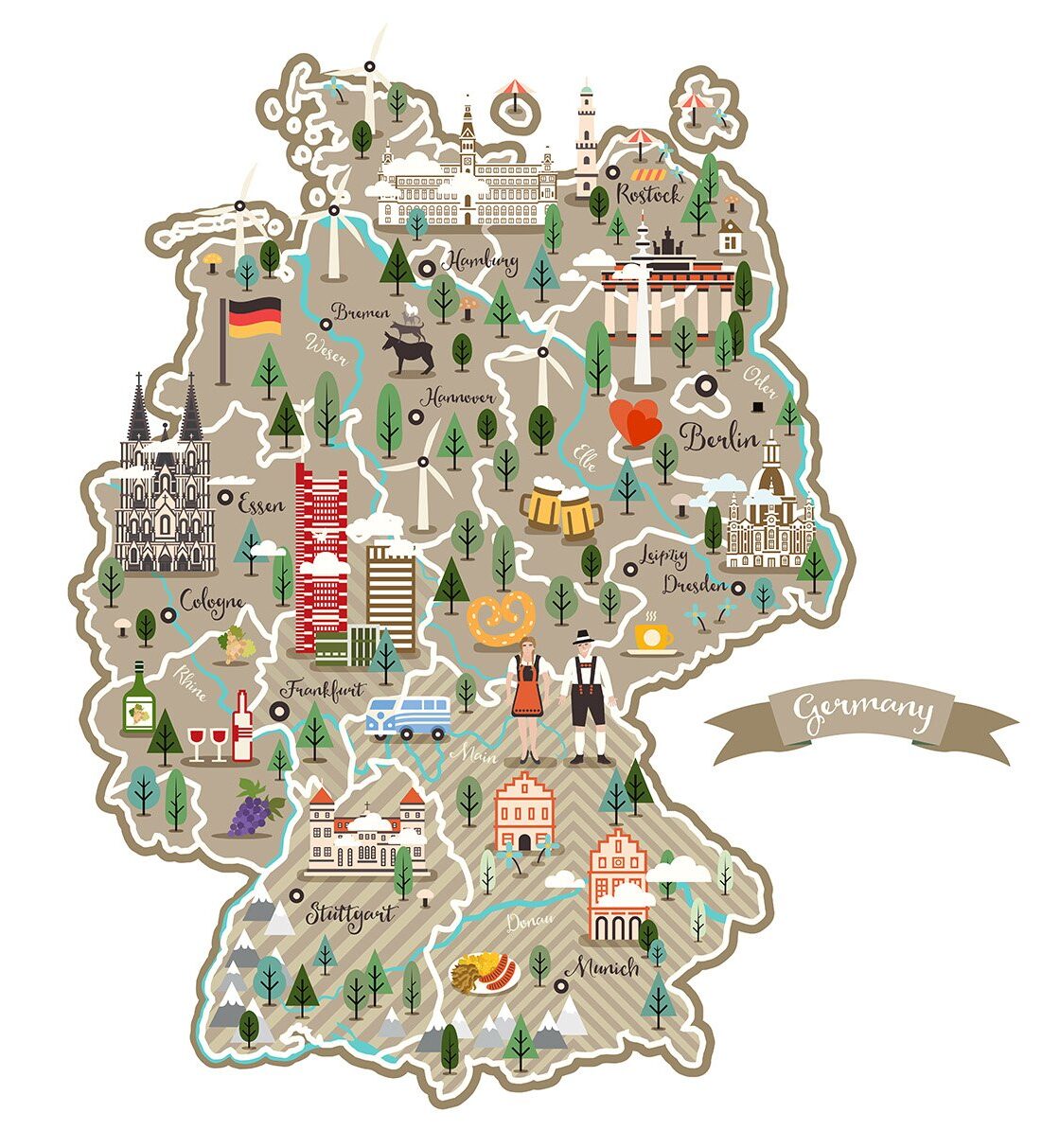
NOT ONLY SAUSAGE AND POTATOES!
… but if the metaphor “meat and potatoes”, to mean something is basic or fundamental, had a country of origin… it would be Germany! Meat and Potatoes do make up a lot of the cuisine, however, Germans are not basic cooks. They are meat and potatoes artists!
German food is often misunderstood. (I am certainly guilty of this!) German cuisine is far more diverse than the sausage, potatoes, and beer stereotypes suggest.
Germany is not one cuisine. It is many regions, localized traditions, and 2,000+ years of food culture shaped by geography, war, poverty, seasons, wealth, religious influence, neighboring countries, and a lot of migration.
Historically, Germany was not a unified nation until 1871, so food has evolved regionally for centuries.

The sea at the north.
France at the West.
Switzerland, Austria, & Italy at the South.
Poland & The Czech Republic at the East.
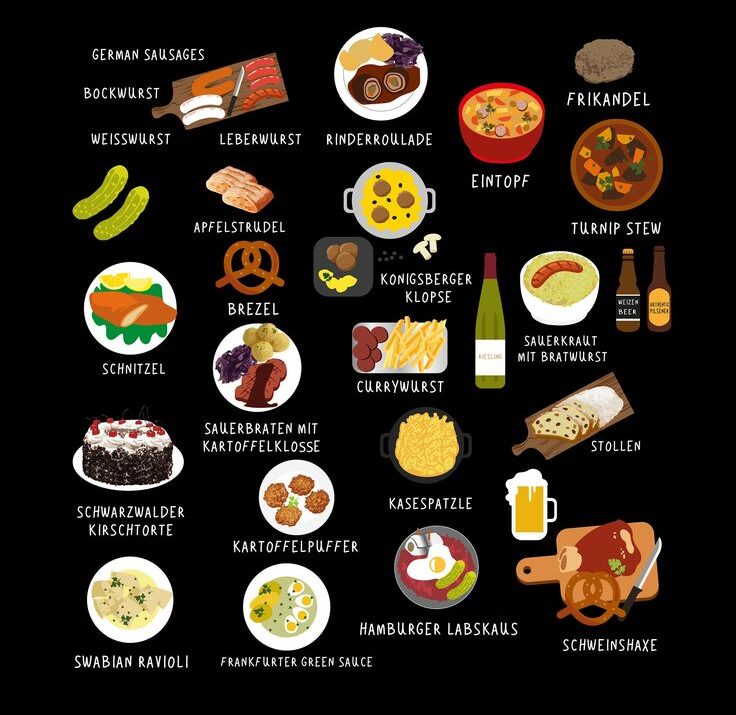
Why German Cuisine Matters
One of Europe’s oldest beer traditions
Medieval baking guilds shaped bread culture, even today!
Some modern American foods (hamburgers, hot dogs, pretzels) trace back to German immigrants
Its food reflects centuries of changing borders & cultural exchange
Germany’s food identity mirrors seasons, preservation necessity, and local pride
The Splendid Table Podcast: Episode 814:
Ottolenghi Comfort with Yotam Ottolenghi and Classic German Cooking with Luisa Weiss
Click Here To Listen
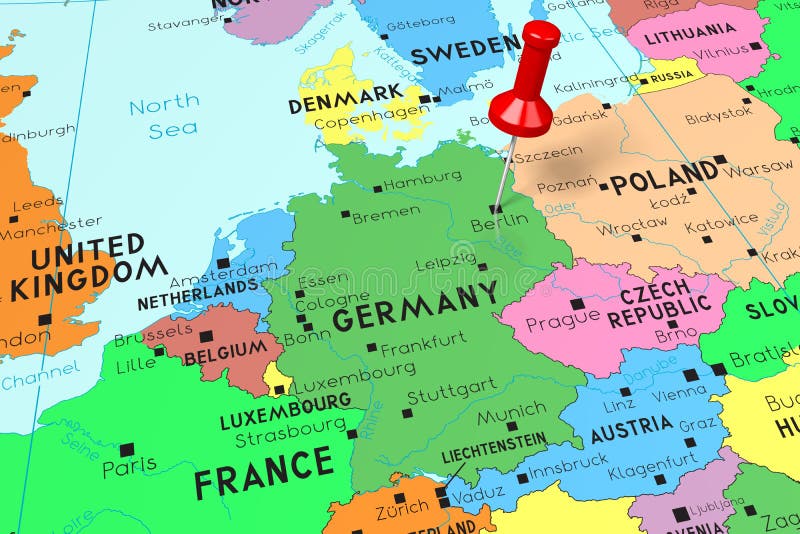
Neighboring Countries Influences:
Germany sits at a crossroads, literally, it is right in the middle of Europe. Allowing the country to become a cultural buffet.
- Austria: pastries & schnitzel
- France: wine, sauces, pâtisserie (French pastries and cake stores)
- Switzerland: dairy, fondue culture
- Poland & Czech Republic: dumplings, goulash, pickles
- Denmark / Scandinavia: herring, smoked fish, & preservation techniques
There’s a great book: Guns, Germs, & Steel by Dr. Jared Diamond. In the book Dr. Diamond explains how the unique geography of regions, like Germany, influence it’s cultural and social development.
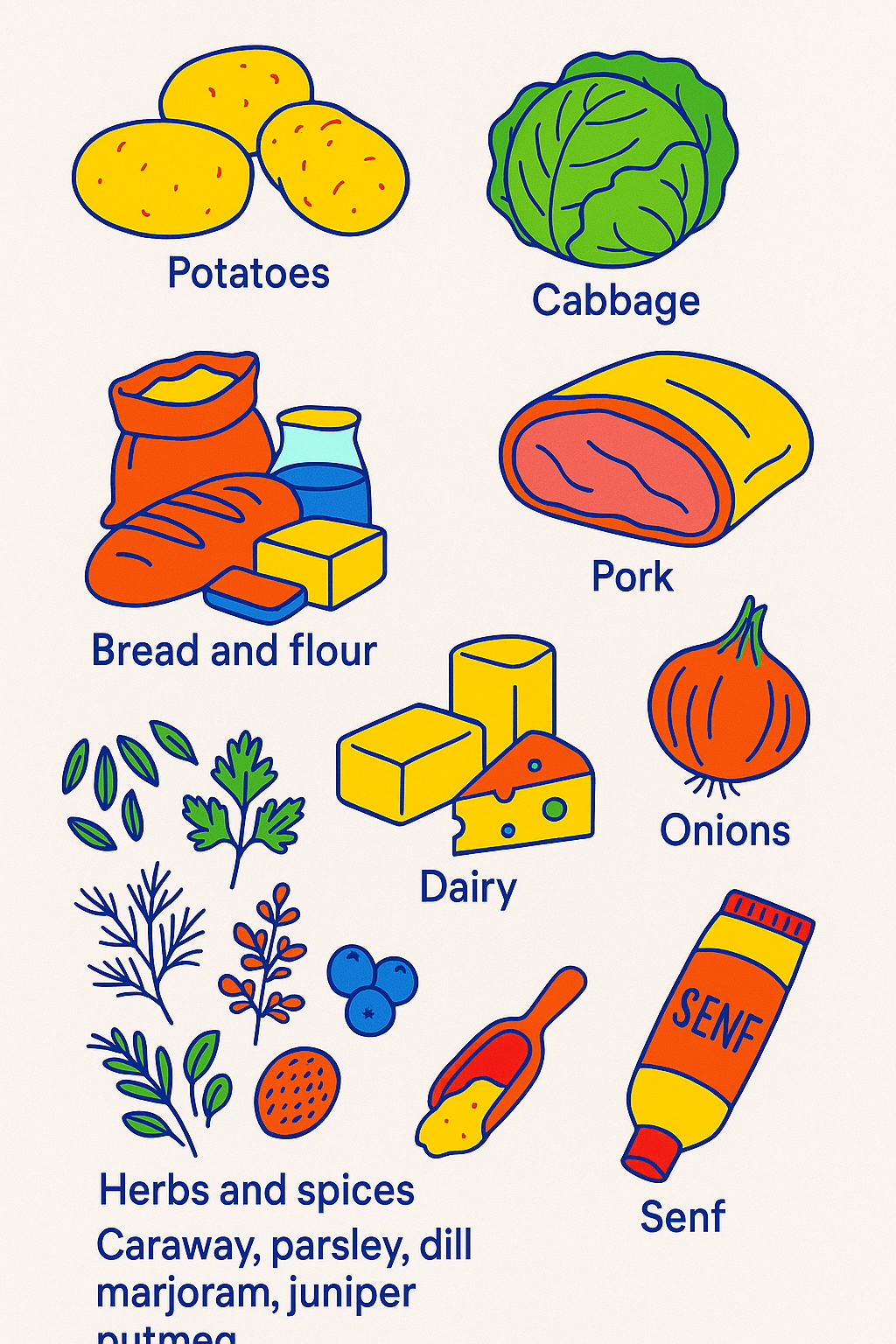
Germany’s Most Common Ingredients:
- Potatoes (Kartoffeln): Inexpensive, grows well in cool climates, used in salads, dumplings, soups, sides and fried dishes.
- Cabbage (white and red – Kohl, Rotkohl): Fermented into sauerkraut, braised red cabbage, soups and stews. Stores well through winter.
- Pork: Main meat for sausages, roasts like Schweinebraten, schnitzel and bacon in many dishes.
- Sausage (Wurst) as an ingredient and standalone meal. Over a thousand varieties, used as street food, snacks and main meals.
- Bread and flour (especially rye and wheat): Germany has around 3,000 types of bread, plus dumplings, Spätzle and cakes.
- Dairy (butter, cream, quark (low fat curd cheese), cheese): Used in sauces, cakes, cheesecakes (Käsekuchen), breads and everyday spreads.
- Onions: Base for soups, sauces, stews, Zwiebelkuchen (onion tart) and many meat dishes. Often part of the classic German sweet-sour flavor profile.
- Herbs and spices: caraway, parsley, dill, marjoram, juniper, nutmeg
These define German flavor more than chili heat. Used in sausages, cabbage, potatoes and sauces. - Mustard (Senf): Essential with sausages and pretzels, sometimes used in sauces and dressings.
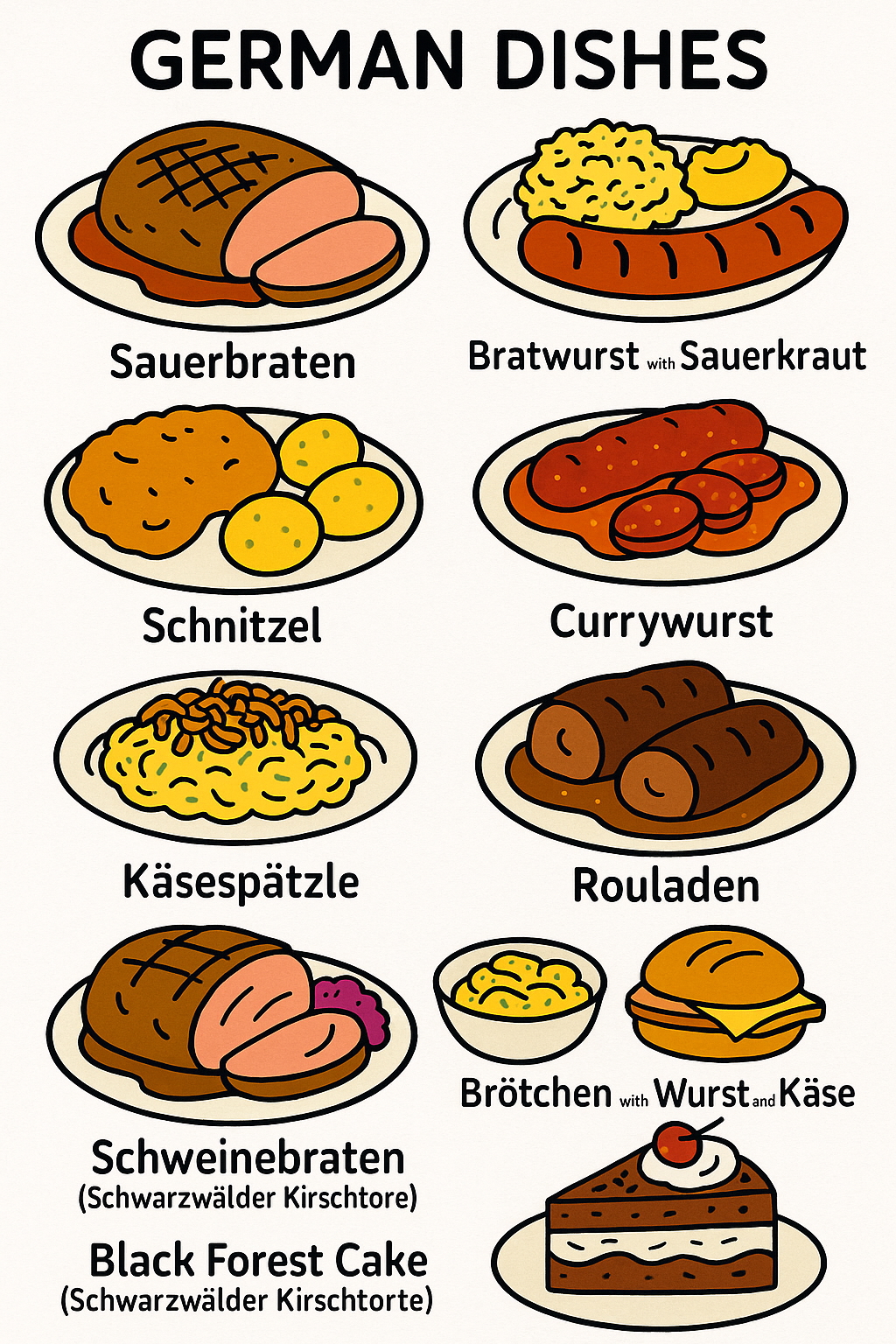
Popular Traditional German Dishes:
- Sauerbraten: Pot roast marinated in vinegar, wine and spices, often called a national dish.
- Bratwurst with Sauerkraut or Kartoffelsalat: Grilled sausage, mustard, cabbage or potato salad.
- Schnitzel (especially Wiener- and Jägerschnitzel): Breaded cutlet, often pork, fried and served with potatoes.
- Currywurst: Sliced sausage with ketchup-curry sauce, iconic Berlin street food.
- Käsespätzle: Soft egg noodles baked with cheese and onions; German mac and cheese.
- Rouladen: Thin beef rolled with mustard, bacon, onions and pickles, simmered in gravy.
- Schweinebraten: Roast pork shoulder with crackling, usually with dumplings and cabbage.
- Kartoffelsalat (German potato salad): Many regional versions; often served warm with vinegar or creamy with mayo in the north.
- Brötchen with Wurst and Käse: Simple rolls with meats and cheese for breakfast or Abendbrot.
Typical Daily Meals & How They Shape Culture:
Traditional German meal structure:
- Frühstück (breakfast): Bread or rolls with butter, cheese, cold cuts, jam, plus coffee or tea. Sets up the “bread plus toppings” pattern that returns at night with Abendbrot (yummy!)
- Mittagessen (lunch): Historically the main hot meal of the day, eaten around noon. Hearty cooked dishes like Schnitzel, Eintopf (stew), roasts with potatoes and vegetables.
- Abendessen or Abendbrot (evening bread): Traditionally a lighter cold meal: bread, cheese, cold cuts, pickles, raw vegetables.
- Snacks and Rituals: Pausenbrot / Zweites Frühstück for “Schüler” and “Arbeiter” in mid-morning.
- Kaffee und Kuchen in the afternoon, a “social coffee and cake” time similar to British tea.
Cultural impact:
- The idea of lunch as the main meal and evening as simple bread and toppings shapes school schedules, business hours and social life.
- Coffee and cake, and the pattern of sitting together at meals, emphasize family time and social connection.
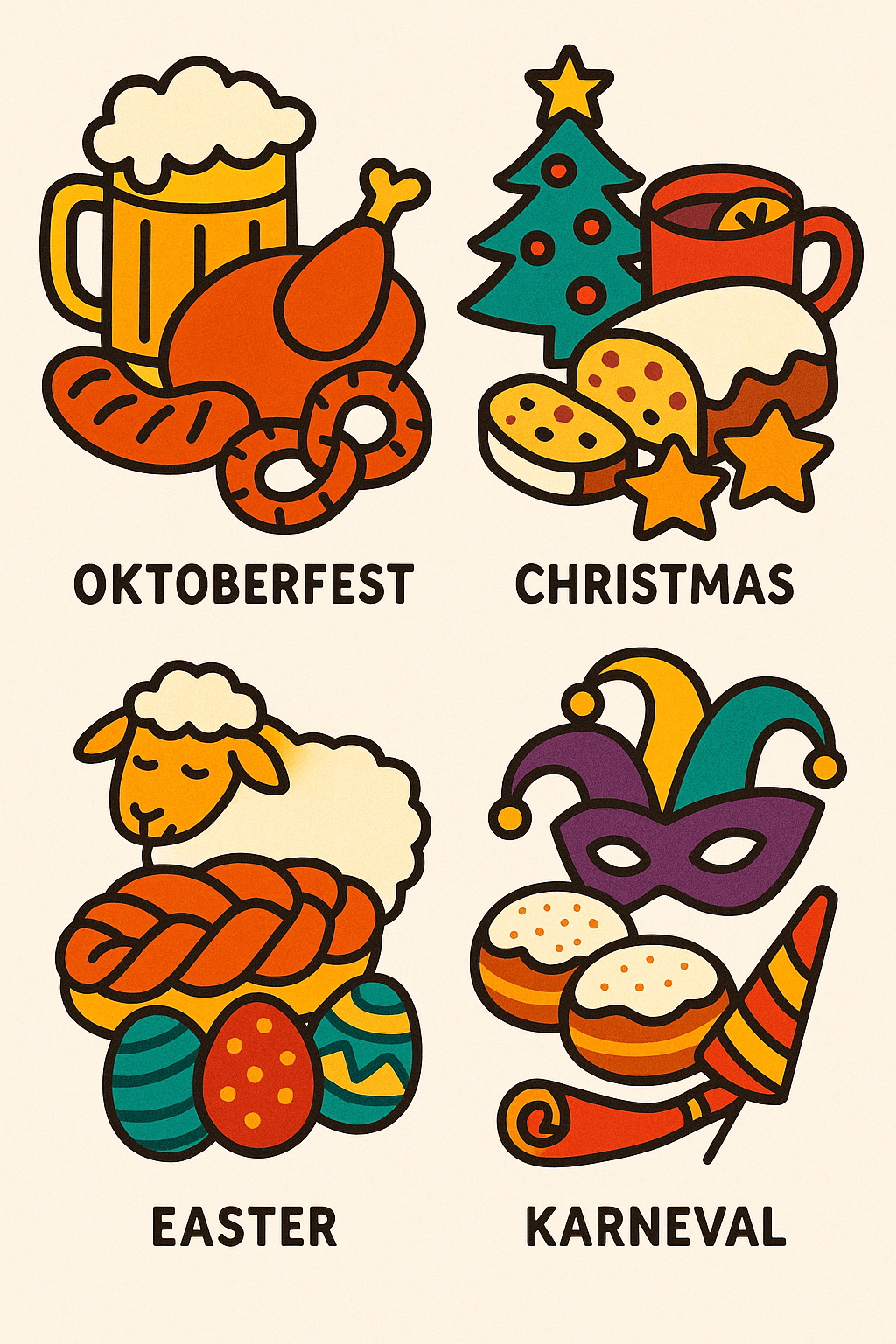
Main Holidays in Germany That Focus on Food or Drink:
Traditional German meal structure:
- Oktoberfest (late Sept–early Oct): Not a national holiday, but a huge Bavarian festival centered on beer, roast chicken, pretzels, sausages and sweets.
- Christmas (Weihnachten) and Advent: Emphasis on roasted goose, duck or fish, red cabbage, dumplings, plus Christmas cookies, Stollen and mulled wine at markets.
- Christmas Markets (Weihnachtsmärkte): “Seasonal, but so food centered they are almost an event of their own: sausages, Lebkuchen, roasted nuts, Glühwein.” – German Cuisine Made Simple book
- Easter (Ostern): Eggs, lamb, sweet bread and cakes; regional breads like Osterzopf.
- Karneval / Fasching (pre-Lent carnival): Especially in Cologne and Rhineland; doughnuts (Berliner / Krapfen), street food and alcohol.
- Spargelzeit / Spargelfest (asparagus season, roughly April–June): White asparagus with hollandaise, potatoes and ham; restaurants build full menus around it.
- St. Martin’s Day (Martinstag): Roast goose, sweet breads (this is not brot!) and lantern processions, especially for kids.
Fun Trivia & Quick Facts I learned:
- Germany has over 1,500 types of sausages.
- Germans eat 60 kilograms (132 lbs!) of bread per person per year.
- Germany has over 3,200 officially recognized types of bread.
- Pretzels are at least 1,300 years old
- Pretzels appear in paintings as early as 610 AD.
- German monasteries invented much of German beer culture.
- Oktoberfest originally celebrated a royal wedding in 1810.
- Asparagus (“Spargel”) season is a national obsession in late spring / early summer.
- Black Forest ham must legally come from the Black Forest.
- Germany invented gummy bears: Haribo (Hans Riegel Bonn) created the first gummy candy in 1922.
- Germany has cake-time built into the culture: “Kaffee und Kuchen” is basically German afternoon tea.
- Germans eat 2.5 billion pretzels per year.
- In Bavaria, beer was considered a “liquid food” for centuries (and taxed accordingly).
Mini food science moment: Why sauerkraut saved lives!
Fermentation produces lactic acid + vitamin C and that prevents scurvy.
German sailors and peasants relied on it through harsh winters and many days at sea.
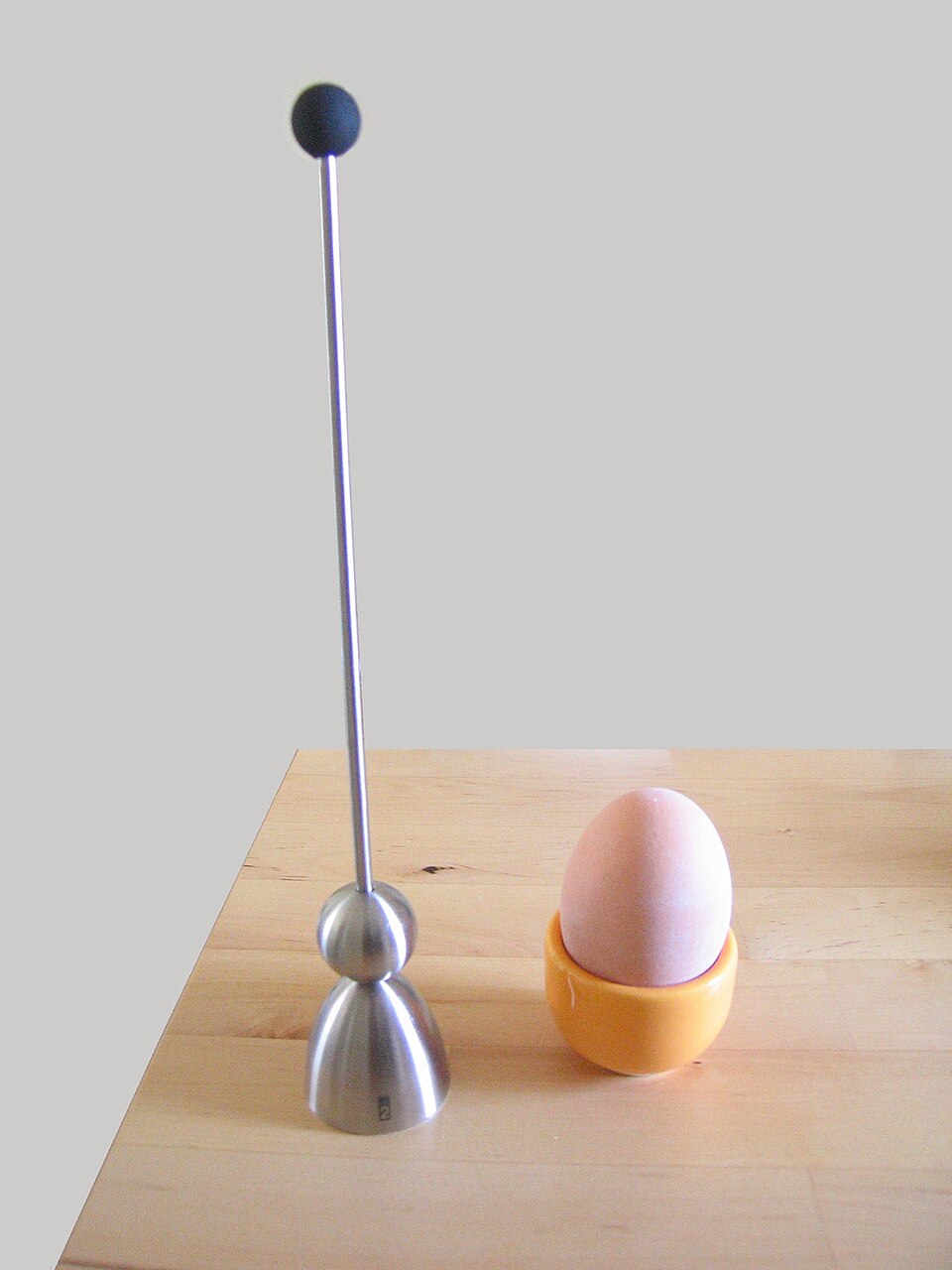
The Most German Kitchen Gadget Ever Invented
Eierschalensollbruchstellenverursacher
“Egg-shell-predetermined-breaking-point-causer”
How To Say It:
Eye-er-shah-len-zoll-brook-shtell-en-fer-ooh-zah-kerr
In Germany, even breakfast has engineering behind it.
Here’s how it works: There’s a sharp metal dome that sits on the crown of a soft-boiled egg, and a heavy stainless steel ball that slides up and down a rod. When you lift and release the ball, it drops onto the egg and creates a perfect, clean circular crack around the top of the egg. You simply lift off the shell cap and eat the egg right out of an egg cup with a small spoon.
It’s precise, efficient, over-engineered, and fun to play with… in other words, it’s perfectly German.
I found this great video that explains the entire history of Germany. It’s not specific to food, but it does show how much the region changes over centuries, and the numerous influences that created German culture.
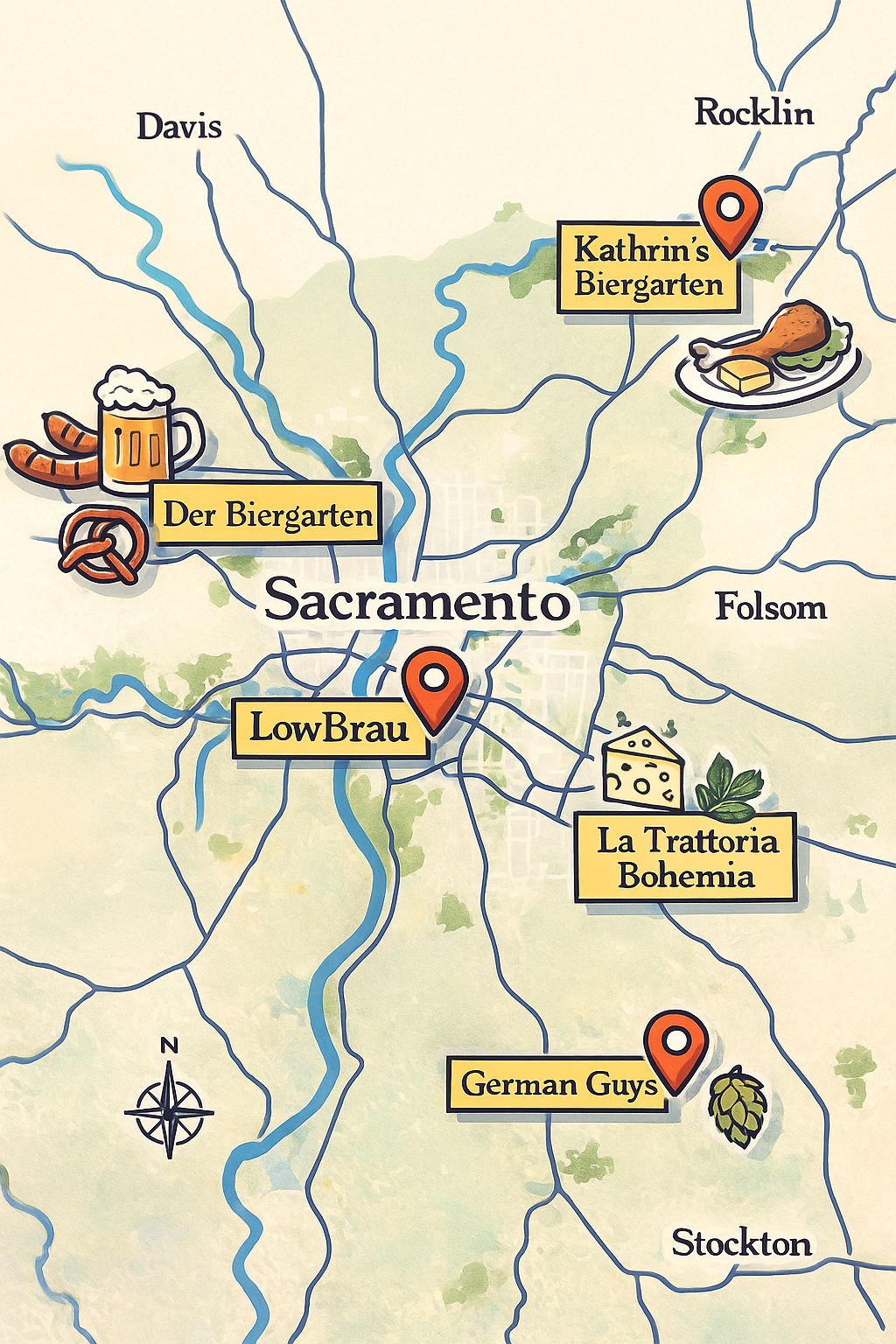
Some German Restaurants Near Sacramento:
- Der Biergarten (Midtown Sacramento) – Outdoor beer garden with German beers and sausages.
- LowBrau (Midtown Sacramento) – Beer hall with sausages, pretzels and German-influenced pub food.
- Kathrin’s Biergarten (Rocklin) – German beer garden and restaurant northeast of Sacramento, traditional dishes and events.
- La Trattoria Bohemia (Sacramento) – Czech plus some German dishes; good if you want to talk about Central European overlap.
- German Guys (Stockton) – Well-reviewed for authentic German food; about an hour south of Sacramento.
REFERENCES:
Hassani, Nadia. Spoonfuls of Germany: Recipes and Remembrances of a German-American Kitchen. Hippocrene Books, 2004.
Sheraton, Mimi. The German Cookbook: A Complete Guide to Mastering Authentic German Cooking. Random House, 1965.
Weiss, Luisa. Classic German Baking: The Very Best Recipes for Traditional Favorites, from Pfeffernüsse to Streuselkuchen. Ten Speed Press, 2016.
Nolen, Jeremy, and Jessica Nolen. New German Cooking: Recipes for Classics Revisited. Chronicle Books, 2015.
Fulson, Gerhild. German Meals at Oma’s: Traditional Dishes for the Home Cook. Page Street Publishing, 2018.
The Splendid Table. “Episode 814: Classic German Baking with Luisa Weiss.” The Splendid Table, American Public Media, 22 Nov. 2023.
Accessed 22 Nov. 2025.
Listen To The Episode
Germany Travel (Official Tourism Board). “Food & Drink.” Germany Travel.
https://www.germany.travel/en/experience-enjoy/overview.html.
Accessed 29 Nov. 2025.
Haribo Official Website. “Our History.” HARIBO GmbH & Co. KG.
https://www.haribo.com.
Accessed 15 Nov. 2025.
German Bread Institute. “German Bread Culture.” Deutsches Brotinstitut.
https://www.brotinstitut.de.
Accessed 15 Nov. 2025.
Visit Berlin. “Currywurst: Berlin’s Most Famous Street Food.” VisitBerlin.com.
https://www.visitberlin.de/en.
Accessed 22 Nov. 2025.
My German Recipes. YouTube Channel, hosted by Elke Seidel.
https://www.youtube.com/c/MyGermanRecipes.
Accessed 29 Nov. 2025.
DW Documentary. “German Food & Culture” Playlist. YouTube, Deutsche Welle.
https://www.youtube.com/user/deutschewelleenglish/playlists.
Accessed 29 Nov. 2025.
Tasting History with Max Miller. German cooking episodes.
https://www.youtube.com/tastinghistory.
Accessed 15 Nov. 2025.
The Entire History of Germany. YouTube, uploaded by YouTube, 1 Jan. 2025, https://www.youtube.com/watch?v=OBwQWIu_kMU. Accessed 29 Nov. 2025.
Germans EAT DIFFERENTLY than Americans?! YouTube, uploaded by Feli from Germany, 15 Nov. 2023, https://www.youtube.com/watch?v=l-_mUGRVEA4. Accessed 29 Nov. 2025.
Germany’s Regional Foods Explained. YouTube, uploaded by Feli from Germany, 7 Mar. 2024, https://www.youtube.com/watch?v=_hIvswIb4hQ. Accessed 29 Nov. 2025.
German Bread Culture – UNESCO Entry. “Traditional German Bread Culture.” UNESCO Intangible Cultural Heritage.
https://ich.unesco.org.
Accessed 29 Nov. 2025.
Oktoberfest Official Site. Oktoberfest.de. https://www.oktoberfest.de/en
Accessed 22 Nov. 2025.
German Dining Etiquette: Rules, Regeln, Gesetze, Etikette!
German dining culture is built around respect, order, practicality, and shared time at the table. The customs aren’t strict or snobbish. They’re simply thoughtful and intentional.
Regeln Gesetze Etikette!
-
Punctuality = Respect
Germany takes punctuality seriously, even for meals.
If you are invited for dinner at 6:00, you arrive at 6:00 or a few minutes before.
Being late is considered rude because it interrupts the host’s careful planning. -
Bring a Small Gift to the Host
Typical gifts include flowers, chocolate, or wine. Avoid red roses or even-number bouquets.
-
Fork in Left, Knife in Right
No switching hands. Hands visible. Wrists on the edge of the table.
-
Wait for “Guten Appetit!”
You do not begin eating until the host says it.
-
German Bread Rules
No dipping. Tear, don't bite. One small piece at a time.
-
Hands Visible
Wrists on the table. Elbows off. Medieval trust tradition.
-
No Automatic Refills
Water is ordered. You round up when tipping.
-
Clinking Glasses
Eye contact or it's bad luck. “Prost!” is serious business.
-
Beer and Wine Etiquette
Specific glasses. No beer bottles in beer halls.
-
Slow and Social Eating
People sit for hours. Coffee or digestifs follow.
-
Clean Plate Culture
Traditionally you finish what you take.
-
Dining Out Differences
You seat yourself. Splitting is normal. Little customization.
-
Compliments
“Es schmeckt sehr gut!” or “Das ist wirklich lecker!”
Wholehearted.org/Essen